


 Track Your Oder
 Shipping & Delivery
 Returns & Refunds
 Contact Us
Survival & Safety
Solo Hiking Safety Guide: How to Stay Alive When You’re Alone Outdoors
Feb
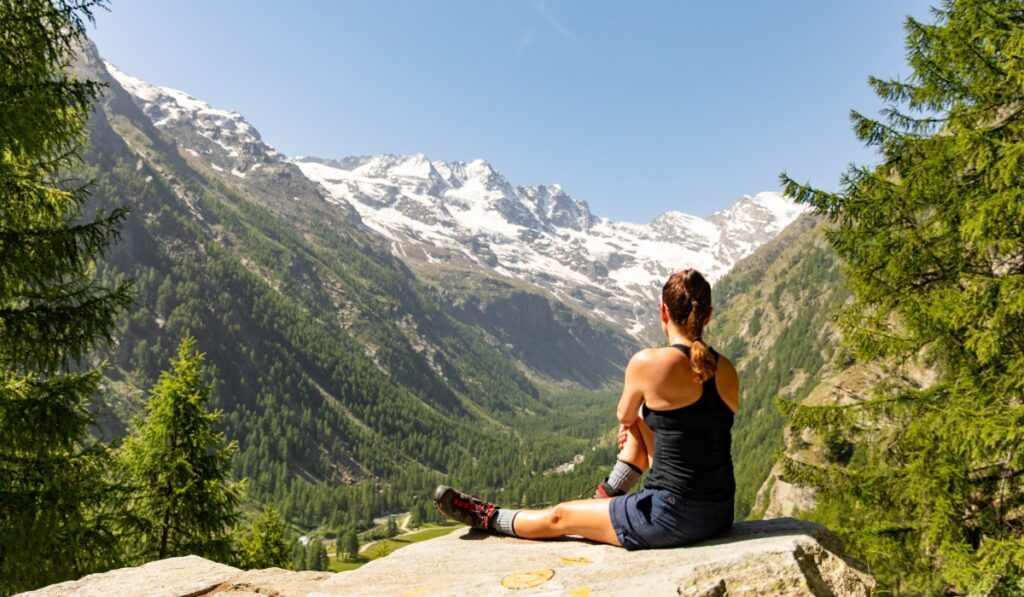
Solo hiking is one of the most powerful outdoor experiences you can have. There is no distraction, no compromise, and no one else setting the pace. But when you hike alone, every decision matters more. A small mistake that might be manageable with a group can become fatal when you are completely on your own.
This solo hiking safety guide is designed to help you stay alive, prepared, and confident when you’re alone outdoors — whether you’re hiking a popular trail or disappearing deep into remote wilderness.

Table of Contents
The Solo Hiking Mindset: Safety Starts in Your Head
The most important piece of solo hiking safety gear is not something you can buy. It is your mindset. When you hike alone, there is no backup. No one will notice your mistake. No one will correct your judgment. This reality requires a shift in how you think, plan, and act.
Why Solo Hiking Is More Dangerous Than Group Hiking
In a group, risk is distributed. Someone notices you slowing down. Someone else catches a navigation error. When you’re alone, the margin for error shrinks dramatically.
- No immediate help if injured
- No shared decision-making
- No second opinion when judgment is impaired
- Higher psychological stress in emergencies
Adopt the “Turn Back Early” Rule
Solo hikers must be willing to turn back earlier than they would in a group. Weather changes, fatigue, trail conditions, or gut feelings should be respected immediately.
If something feels wrong, it usually is.
Planning a Solo Hike the Right Way
Good planning reduces risk more than any piece of gear. Solo hiking demands obsessive preparation because you cannot rely on others to fill the gaps.

Tell Someone Your Plan — Every Time
Before every solo hike, you must leave a detailed plan with someone you trust. This is non-negotiable.
Solo Hiking Trip Plan Checklist
- Trail name and access points
- Planned route and distance
- Expected start and return time
- Emergency contact procedures
- When to alert authorities if you don’t return
This single step has saved countless lives.
Choose Routes Appropriate for Solo Travel
Not all trails are suitable for solo hiking. Routes with exposure, complex navigation, river crossings, or minimal traffic increase risk exponentially.
- Start with well-marked trails
- Avoid technical terrain when alone
- Check recent trail reports
- Understand exit points
Navigation Skills You Must Master When Hiking Alone
Navigation errors are one of the most common causes of solo hiking emergencies. A wrong turn can quickly escalate into dehydration, exposure, or panic.

Never Rely on a Single Navigation Tool
Technology fails. Batteries die. Signals disappear. Solo hikers must use redundancy.
Essential Navigation Tools for Solo Hikers
- Paper map (waterproofed)
- Compass and knowledge to use it
- GPS device or offline map app
- Physical landmarks awareness
Practice Navigation Before You Need It
Knowing how to navigate in theory is not enough. Practice route-finding, bearing shooting, and map reading before you ever hike alone in remote terrain.
Understanding Risk When You’re Alone Outdoors
Risk behaves differently when you’re solo. Injuries that would be minor in a group can become life-threatening alone.

High-Risk Situations for Solo Hikers
- Stream crossings
- Loose or exposed terrain
- Rapid weather changes
- Nightfall without shelter
Essential Solo Hiking Safety Gear
Gear will not save you if used incorrectly, but the right equipment dramatically increases survival odds when things go wrong.
Core Solo Hiking Safety Gear
- Emergency shelter (bivy or tarp)
- First aid kit with trauma focus
- Fire starter (multiple methods)
- Headlamp with extra batteries
- Emergency communication device
This is the minimum. Solo hiking is not the place to cut weight at the expense of safety.
What to Do If You’re Injured While Hiking Alone
Injury is the most dangerous scenario for solo hikers. Without immediate help, even minor injuries can escalate quickly. Your goal is not to “push through pain,” but to stabilize, assess, and survive.

Stop, Sit, and Breathe
The moment you are injured, stop moving. Sit down. Control your breathing. Panic increases heart rate, blood loss, and poor decision-making.
Self-Assessment Checklist
- Is there bleeding? Control it immediately.
- Can you bear weight safely?
- Is pain increasing or decreasing?
- Do you have shelter and daylight?
When to Stop and Stay Put
If you cannot move safely, your best chance of survival is often staying in place, conserving energy, staying warm, and making yourself visible for rescue.
What to Do If You Get Lost While Solo Hiking
Getting lost alone is terrifying — but panic is what kills. Most lost hikers are found within a few kilometers of the trail.

The STOP Rule (Non-Negotiable)
- S – Stop: Sit down immediately.
- T – Think: When did you last know your location?
- O – Observe: Terrain, landmarks, sounds.
- P – Plan: Decide calmly.
Should You Move or Stay?
If you are unsure of your location, movement often worsens the situation. Staying put increases the chance of being found — especially if you left a trip plan.
Surviving Overnight Alone Outdoors
Many solo hiking emergencies happen because hikers underestimate how quickly daylight disappears. An unexpected night outdoors can be survivable — if you prepare.

Night Survival Priorities
- Shelter from wind and moisture
- Insulation from the ground
- Maintain body heat
- Conserve calories and energy
Emergency Overnight Kit for Solo Hikers
- Emergency bivy or tarp
- Headlamp with spare batteries
- Fire starter
- Insulating layer
Handling Bad Weather When You’re Alone
Weather is more dangerous when you’re solo because there is no shared shelter, no group warmth, and no backup decision-maker.

Solo Weather Safety Rules
- Turn back earlier than planned
- Avoid exposed ridges
- Layer before you feel cold
- Never hike into storms alone
Wildlife Encounters While Solo Hiking
Wildlife encounters feel more intimidating when you are alone, but panic increases risk more than animals themselves.

General Wildlife Safety Principles
- Make noise while hiking
- Store food properly
- Never approach wildlife
- Know species-specific behavior
Emergency Communication When Hiking Alone
Communication is your lifeline when solo hiking. Modern devices have saved countless lives — if carried and used correctly.

Solo Hiking Communication Tools
- Personal locator beacon (PLB)
- Satellite messenger
- Fully charged phone with offline maps
- Whistle and signal mirror
Never assume your phone will work. Redundancy saves lives.
Deadly Solo Hiking Mistakes to Avoid
- Not telling anyone your plan
- Pushing through fatigue
- Ignoring weather forecasts
- Skipping emergency gear
- Overestimating experience
Final Solo Hiking Safety Checklist
- Trip plan shared with trusted contact
- Navigation tools checked
- Emergency shelter packed
- Weather forecast reviewed
- Turnaround time set
Final Thoughts: Why Solo Hiking Demands Respect
Solo hiking is not about proving toughness. It is about self-reliance, humility, and respect for nature. Preparation is not fear — it is freedom.
With the right mindset, preparation, and gear, solo hiking can be one of the most rewarding experiences outdoors.

 Waterproof Bags
 Water Storage & Hydration
 Waterproof Protection